Contact Lens Care, Prevention, and Treatment Options
On this page
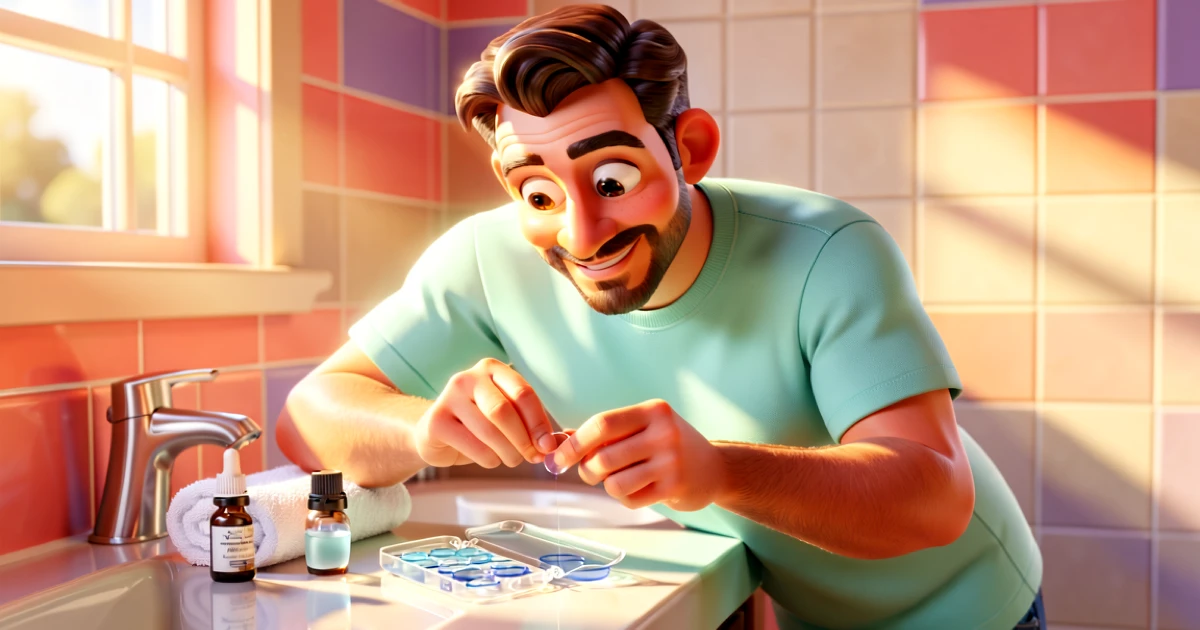
Plenty of lens wearers rinse their contacts under a tap now and then, sleep in them once in a while, and hang on to the same case until it practically starts peeling. None of it shows up on day one — the trouble tends to arrive weeks or months later, when an eye that has been doing fine suddenly is not.
Contacts are a small miracle of optics: clear vision without the weight of glasses, without the rim lines at the end of the day. They are also thin discs pressed directly against one of the most sensitive tissues in the body. That combination earns them a little respect in the daily routine.
A contact lens is not an accessory. It is a medical device that happens to be invisible.
Why Lens Care Matters
The cornea sits at the very front of the eye, unprotected by any bone or lid while the eye is open. A lens rests right on top of it. Every hand-off between fingers, case, and eye is a chance for bacteria, fungi, or free-swimming microorganisms to hitch a ride.
The worst-case scenario is microbial keratitis — a corneal infection that is painful, slow to clear, and, in severe cases, capable of lasting vision damage. Most lens-related complications are not rare bad luck. Research suggests the vast majority are preventable with basic, unglamorous hygiene.
The Core Routine
Clean Hands First
Soap, water, and a lint-free towel. Paper towels shed fibres that ride the lens straight to the eye; a denim leg contributes its own dye and dust. Hand-washing is the single highest-leverage habit in the whole routine, and it is also the one most often skipped when someone is running late.
Proper Cleaning and Disinfection
Use the solution an eye care professional recommended for the specific lens. Saline alone does not disinfect, and tap water is genuinely risky — it can carry Acanthamoeba, a microorganism linked to one of the hardest-to-treat eye infections on record. Even solutions labelled "no-rub" perform better after a brief rub and rinse; studies suggest mechanical agitation clears more deposits and microorganisms than soaking alone.
Treat the Case as Disposable
A lens case left to fend for itself becomes a biofilm farm within weeks. The routine most eye care professionals recommend:
- Rinse with fresh solution, never water, after each use
- Air dry upside down on a clean tissue
- Replace the whole case every three months
No amount of rinsing removes an established biofilm once it has settled into the plastic. A fresh case every quarter is cheap insurance.
Respect the Wearing Schedule
Daily-disposable lenses are designed for a single day. Two-week lenses for two weeks. Monthly lenses for a month. Running past the schedule reduces oxygen flow to the cornea, which makes infection more likely and can chip away at long-term corneal health. Unless a lens is specifically approved for overnight wear, it belongs in its case at bedtime.
Regular Check-ups
Even when vision feels fine, periodic visits to an eye care professional matter. They verify the lens fit, assess corneal health, and catch small issues while they are still small. The appointment cadence varies by lens type and prescription, but most wearers are on at least a yearly schedule.
Know When to Stop
Smoky rooms, construction dust, peak allergy season, a cold that is making the eyes water — these are all good reasons to fall back to glasses for the day. Pushing through early irritation is how a mild case of dry eye turns into a medical appointment.
The best time to take a lens out is ten minutes before it starts to hurt.
When Something Goes Wrong
These symptoms warrant removing the lenses immediately and calling an eye care professional:
- Redness that does not resolve
- Sharp pain or discomfort
- Blurry vision while wearing lenses
- Light sensitivity
- Excessive tearing or unusual discharge
Self-diagnosis is a poor strategy with eye infections because the timeline is short. A condition that felt mild in the morning can be serious by evening.
Common Problems and Their Treatments
- Dry eyes: Very common among lens wearers. Preservative-free artificial tears help, and an eye care professional may suggest switching to a lens material that retains more moisture.
- Allergic conjunctivitis: Itchy, watery eyes during pollen season. Antihistamine drops usually handle it, and switching to daily disposables cuts down on allergen build-up on the lens.
- Giant papillary conjunctivitis: Bumps develop under the eyelids from protein deposits on older lenses. Treatment usually means more aggressive cleaning, shorter replacement cycles, a different lens material, or a temporary break from contacts.
- Corneal abrasion: A scratch on the cornea, often caused by a damaged or poorly-fitting lens. Mild abrasions heal in a day or two; deeper ones may require antibiotic drops to prevent infection.
- Microbial keratitis: The most serious of the group. It demands prompt, intensive treatment — typically strong antibiotic or antifungal drops on a tight dosing schedule. Severe cases can require hospitalisation, which is exactly why so much of lens-care advice is about prevention.
Choosing the Right Products
Solutions are not interchangeable:
- Multi-purpose solutions: An all-in-one that cleans, disinfects, and stores. Convenient and effective for most soft-lens wearers.
- Hydrogen peroxide systems: Stronger disinfection, but the neutralising disc needs its full cycle — usually six hours — before the lenses go anywhere near an eye. Un-neutralised peroxide produces a sharp, memorable pain.
- Saline: For rinsing only. It does not clean and does not disinfect; it should never be the primary solution.
An eye care professional can match the solution to the specific lens type. Soft hydrogel, silicone hydrogel, and rigid gas-permeable lenses each have their own preferences, and the wrong pairing can shorten the useful life of the lens.
Lens care is small work — five minutes a day, a fresh case every three months, a yearly appointment. The payoff is the most ordinary outcome imaginable: clear vision and a quiet, healthy pair of eyes still working a decade from now. As ordinary outcomes go, that is a very good one to hold on to.
More Articles
Blue Light and Eye Health — Separating Fact From Marketing
What blue light actually does to the eyes, what it doesn't, and which habits matter most.
Contact Lens Care, Prevention, and Treatment Options
The everyday habits that keep contacts safe, the symptoms worth acting on, and the treatment options when an eye needs more than a rinse.
How Break Reminders Help Parents Manage Kids' Screen Time
A practical guide for parents who want their kids to take regular screen breaks without constant nagging.
Common Eye Conditions and How to Stay Ahead of Them
A practical guide to the eye conditions that affect most people as they age — and the habits, screenings, and treatments that actually slow or prevent them.